
Ancestral Roots and Living Culture of Port Graham
The people of Port Graham are the ancestral inhabitants of the Kenai Fjords region, where for thousands of years, their ancestors thrived along the rugged coastline. Prior to Russian contact in the late 1700s, a rich maritime culture of hunters and gatherers flourished in areas like Nuka Bay, Yalik Bay, and Aialik Bay.
Known as Sugpiaq—or more commonly, Alutiiq—this Indigenous people have long maintained spiritual ties to the land and sea, emphasizing kinship, respect for Elders, and the subsistence way of life. This deep connection to the natural world is reflected in traditional practices and cultural artifacts, including kayaks, hunting gear, and ceremonial items.
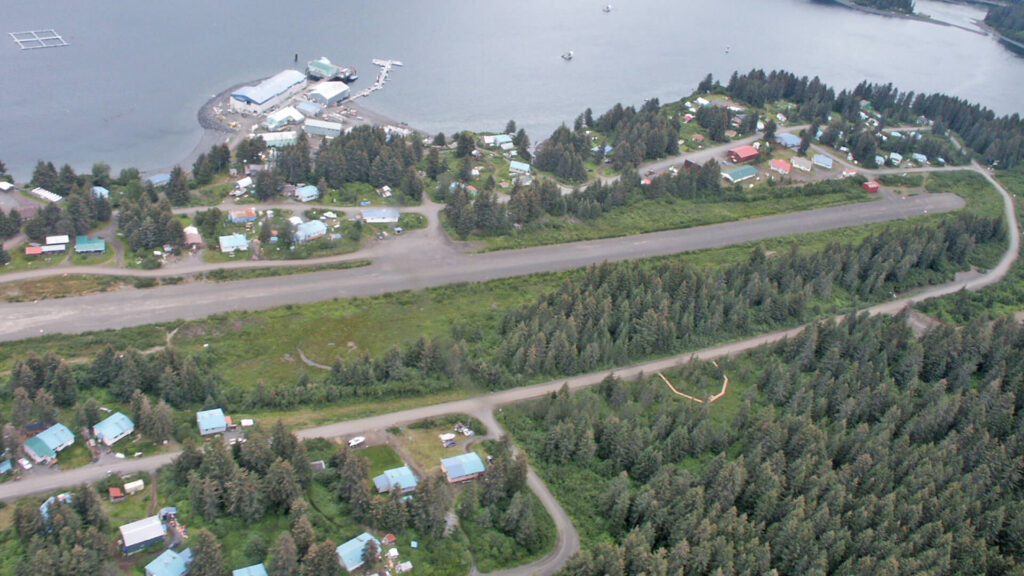
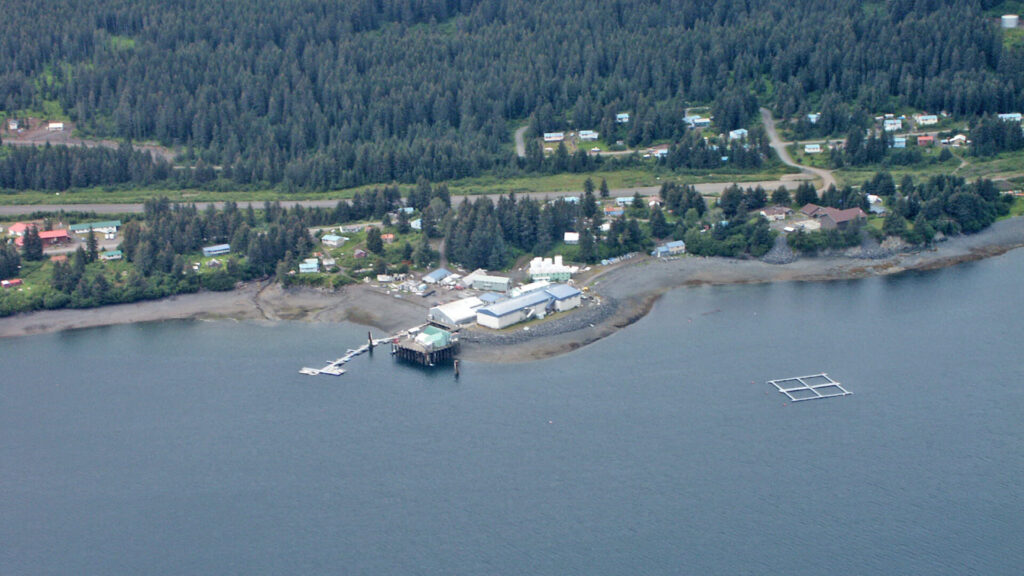
With Russian colonization in the 19th century, Alutiiq communities were relocated to Alexandrovsk (now Nanwalek) and Paluwik (now Port Graham). By 1909, Port Graham had become the site of a cannery and wharf, marking the start of a new economic chapter.
Following the passage of the Alaska Native Claims Settlement Act (ANCSA) in 1971, Port Graham selected 44,000 acres of land in the Kenai Fjords. While selections were made in 1974, title was not received until 1995 due to delays caused by the creation of Kenai Fjords National Park in 1980. Today, Port Graham Corporation (PGC) and the National Park Service are pursuing a co-management agreement that honors both stewardship and private ownership.
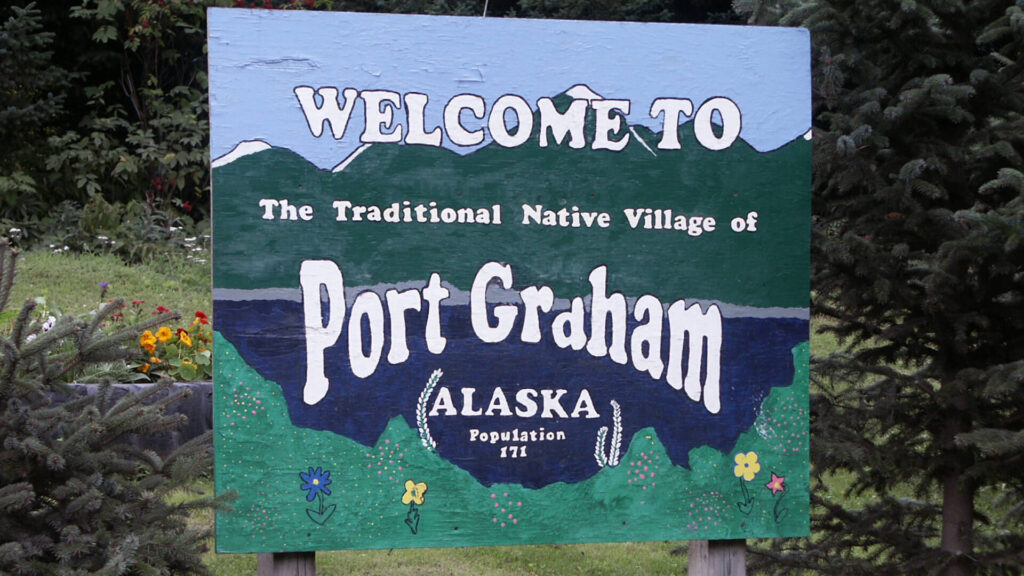
With a population of about 177, the village’s economy centers around a modern cannery rebuilt in 1999. Residents continue to uphold their cultural traditions, maintaining deep ties to their ancestral homelands through subsistence practices and reverence for the land and sea.